
Email security from Not Without IT protects your domains in two directions. Outgoing, we make sure receiving servers trust your messages, so they reach the inbox instead of the spam folder. Incoming, we stop attackers from sending convincing emails in your name to your clients, staff and vendors.
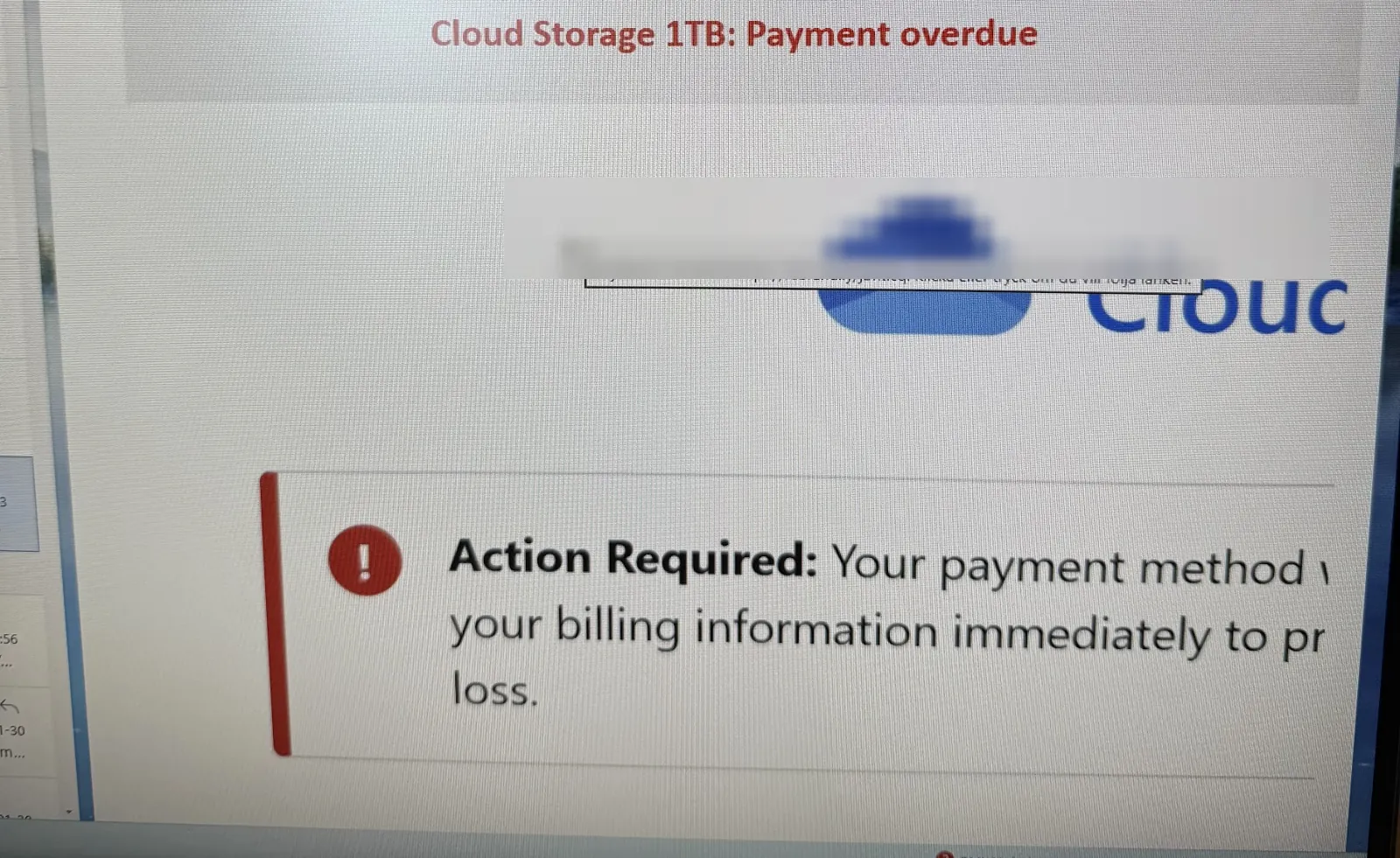
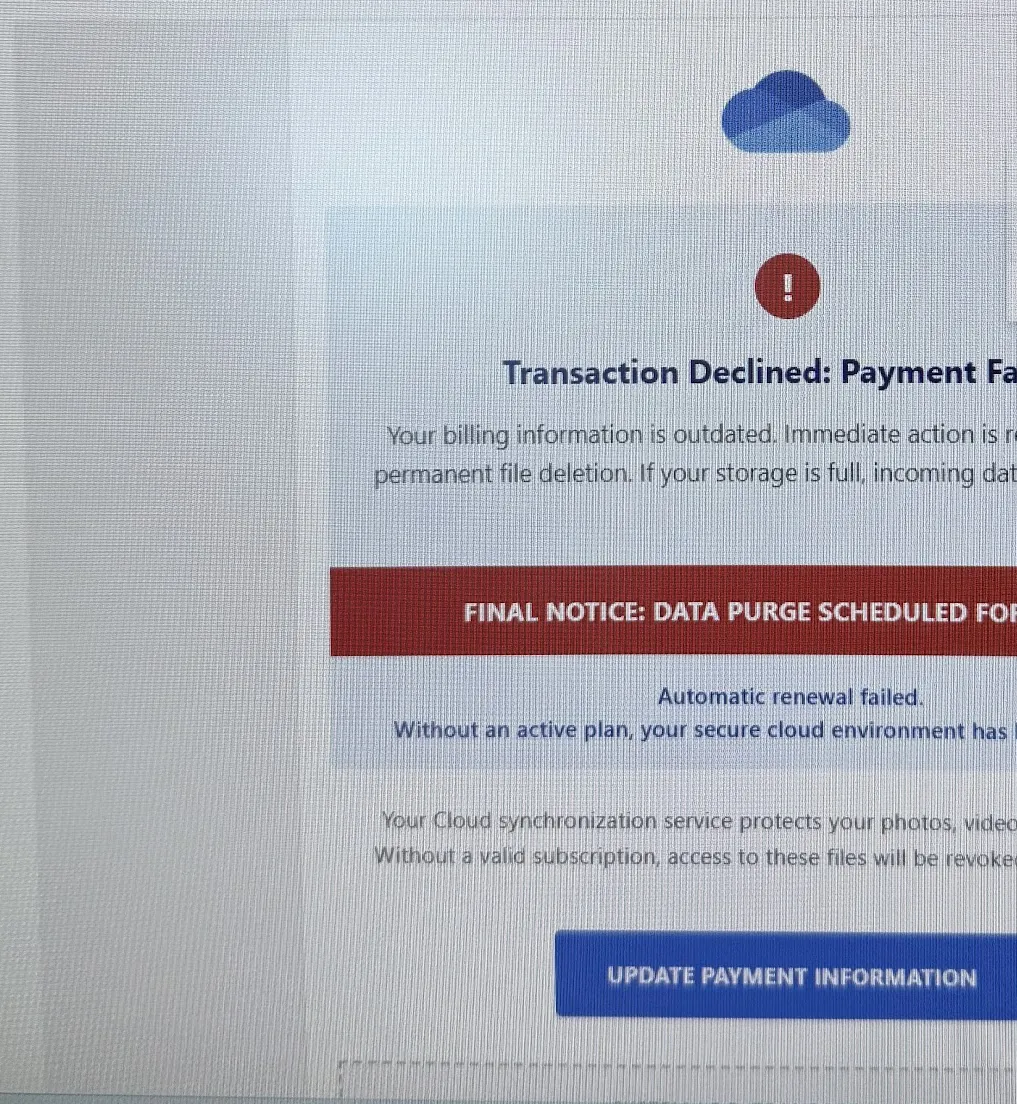
Email remains the most common starting point for fraud. An attacker does not need to break into your systems to send a fake invoice from your domain. Without the right DNS records, any server on the internet can claim to be you. Consequently, your clients may pay a criminal, and your real messages may end up in junk folders.
What our email security service covers
We configure and maintain the full chain of email authentication:
- SPF records that list every service allowed to send mail for your domain.
- DKIM signatures for Microsoft 365, Google Workspace and your marketing or billing platforms.
- DMARC policies that move step by step from monitoring to quarantine and reject.
- DMARC report analysis, so we see every source that sends mail in your name.
- BIMI, which shows your verified logo next to your messages in supporting mailboxes.
- Protection of domains you own but never use for email.
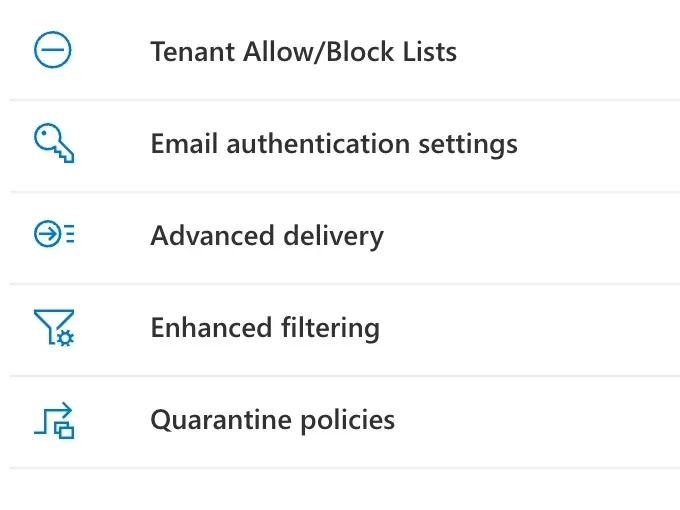
In addition, we tune spam and phishing filters in Microsoft 365, review forwarding rules and train staff to recognize payment fraud.
Why email security matters for deliverability
Large mailbox providers now require authentication. Google and Yahoo began enforcing requirements for bulk senders in 2024. Microsoft followed: after May 5, 2025, Outlook began routing messages from high-volume non-compliant domains to the Junk folder, for domains sending more than 5,000 messages a day to Outlook.com addresses. Therefore, correct SPF, DKIM and DMARC records are no longer optional for organizations that send newsletters, invoices or notifications.
How we move DMARC to enforcement
A DMARC policy of none only monitors; it does not stop spoofing. However, jumping straight to reject can block legitimate mail from a forgotten service. That is why we work in stages. First, we publish a monitoring policy and collect reports for a few weeks. Then we identify every legitimate sender and fix its SPF and DKIM alignment. Next, we raise the policy to quarantine, and finally to reject. As a result, spoofed mail is blocked, and your real mail keeps flowing.
BIMI requires a DMARC policy at enforcement and, for most mailbox providers, a verified mark certificate for your trademarked logo. If your logo is a registered trademark, we guide you through the certificate process.
Why choose Not Without IT
Our engineers have managed mail servers and DNS for more than 30 years, from early UNIX mail systems to today’s cloud tenants. Above all, we document every record, so your next provider or marketing agency knows exactly what is configured. Not Without IT is remote first, with headquarters in North Tustin, Orange County, and we secure domains for organizations across the United States. Combine email security with our Microsoft 365 support for complete tenant protection.
Frequently asked questions about email security
Basics of email security
What is SPF?
SPF is a DNS record that lists the servers allowed to send mail for your domain. Receiving servers then check it on every message.
What is DKIM?
DKIM adds a digital signature to each message. Consequently, the receiver can verify that the message came from your domain and was not altered.
What is DMARC?
DMARC tells receiving servers what to do when a message fails SPF and DKIM checks, and it sends you reports about your mail.
What is BIMI?
BIMI displays your brand logo next to your messages in supporting mailboxes, once DMARC is at enforcement.
Do we need all three: SPF, DKIM and DMARC?
Yes. Each one covers a different gap, and mailbox providers therefore expect all three.
Can someone send email pretending to be our company?
Yes, if your domain lacks DMARC at enforcement. That is exactly what email security prevents.
Is email security only for large companies?
No. In fact, small firms are often targeted precisely because their domains lack protection.
Email security and deliverability
Why do our emails land in spam?
Common causes are missing or misaligned SPF, DKIM or DMARC records. In addition, a poor sending reputation plays a role.
What did Microsoft change for bulk senders in 2025?
From May 5, 2025, Outlook began routing mail from high-volume senders without proper authentication to the Junk folder.
Do Google and Yahoo also require DMARC?
Yes. Since 2024, both require authentication from bulk senders, including a DMARC record.
Our newsletter tool sends mail for us. Is it covered?
Only if it signs with DKIM for your domain and appears in your SPF record. For that reason, we check every service.
Can too many services break our SPF record?
Yes. SPF allows a limited number of DNS lookups, so we restructure records that exceed the limit.
How long until DMARC reaches reject?
Usually a few weeks to a few months, depending on how many services send mail for you.
Phishing and fraud
How do we stop fake invoice emails?
Enforce DMARC on your domain, train staff to verify payment changes by phone, and review mailbox rules regularly.
An employee clicked a phishing link. What now?
First, reset the password and revoke sessions. Then call us to check sign-ins and mailbox rules.
Can you block phishing emails before they reach staff?
Yes. For instance, we tune Microsoft Defender for Office 365 or equivalent filters and add impersonation protection.
What is business email compromise?
It is fraud where attackers take over or imitate an email account to redirect payments or steal data.
Should we protect domains we do not use for email?
Yes. In that case, we publish strict records, so attackers cannot send mail from parked domains.
What is a lookalike domain?
It is a domain that resembles yours, for example with one letter changed. Therefore, we monitor for registrations that imitate your brand.
Should staff use personal email for work?
No. Personal accounts lack your security policies, so sensitive data can leak without any record.
Can you investigate a spoofing attack against our clients?
Yes. DMARC reports and message headers show where the fake mail came from.
Working with us
How much does email security setup cost?
It depends on the number of domains and sending services. Usually it is a fixed-price project.
Do you support Google Workspace as well as Microsoft 365?
Yes. Likewise, we configure SPF, DKIM and DMARC for both platforms.
Will DMARC break our existing mail?
Not when we follow the staged approach. Meanwhile, monitoring reveals every legitimate sender before we enforce anything.
Who reads our DMARC reports?
We do. Then we summarize the findings and fix new sources as they appear.
Do you need access to our DNS provider?
Yes, or we send exact records for your provider to publish. Either way, we verify every change.
Can you help us get a verified mark certificate for BIMI?
Yes. We guide you through the requirements, which include a registered trademark for the logo.
Where are you located?
Our headquarters are in North Tustin, Orange County, and we support domains across the U.S.
How do we start?
Send the form below or call (949) 355-1694. First, we check your current records and report what is missing.
Why choose Not Without IT for email security?
You get engineers who understand DNS, mail servers and fraud, and who document every record.