
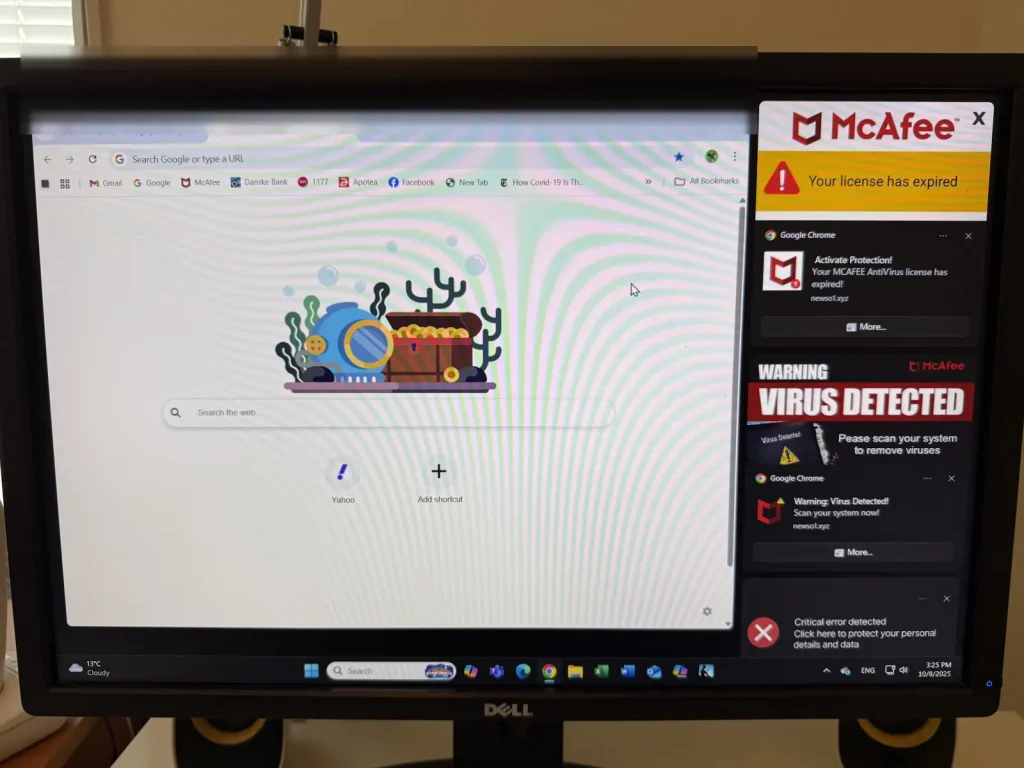
Cybersecurity services from Not Without IT protect your organization in two stages. First, we prevent attacks with assessments, hardening and monitoring. Second, if something still happens, we respond quickly, contain the damage and restore operations from what we prepared together.
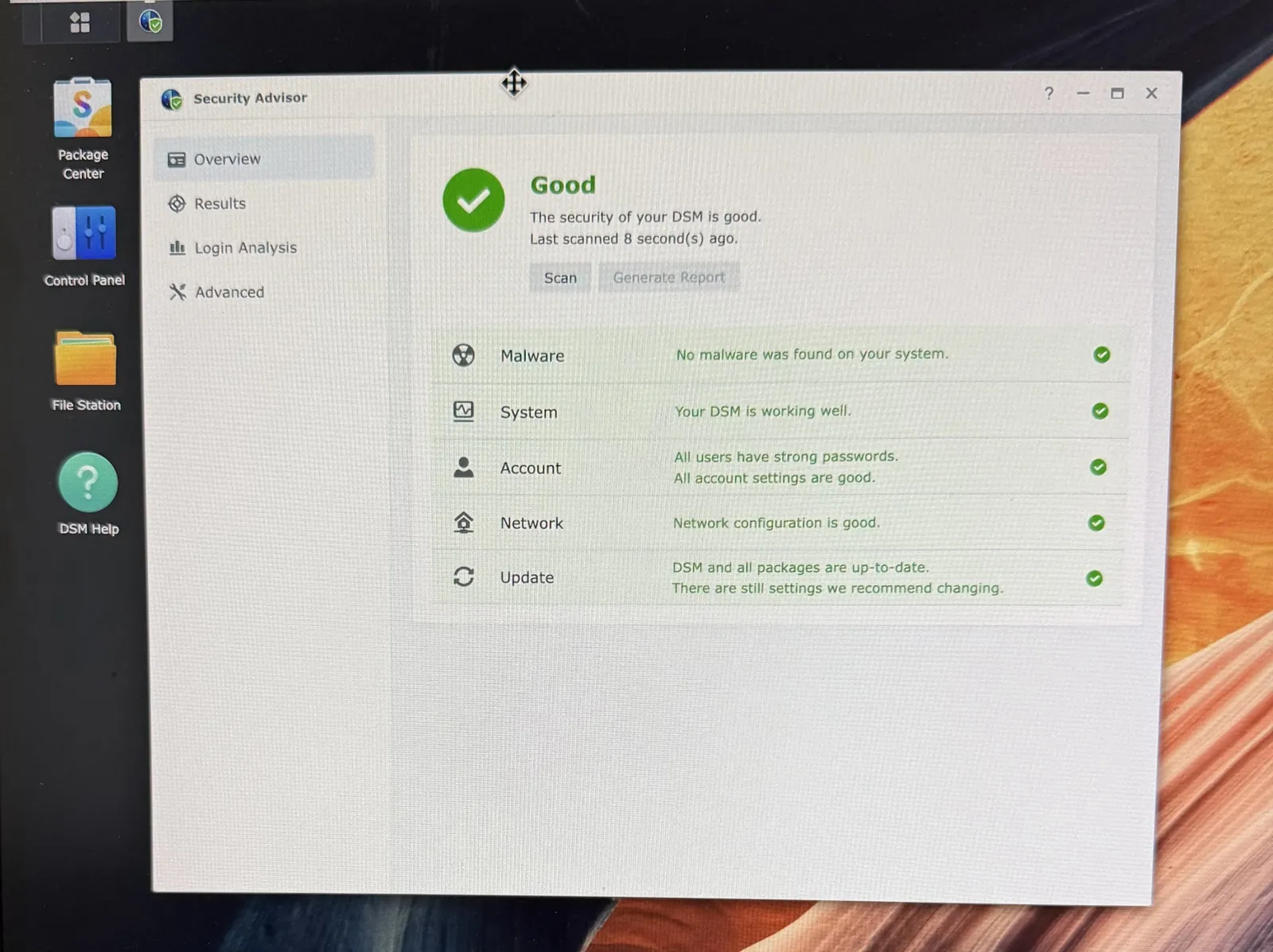
Most breaches do not start with advanced exploits. Instead, they start with a reused password, a missing update, an exposed remote desktop port or an employee who clicks a convincing link. Automated tools scan the internet for these weaknesses around the clock. Therefore, an unprotected organization is not waiting to become a target; it already is one. Our cybersecurity services close those doors before someone walks through them.
What our cybersecurity services include
We adapt the scope to your size and sector. A typical engagement covers:
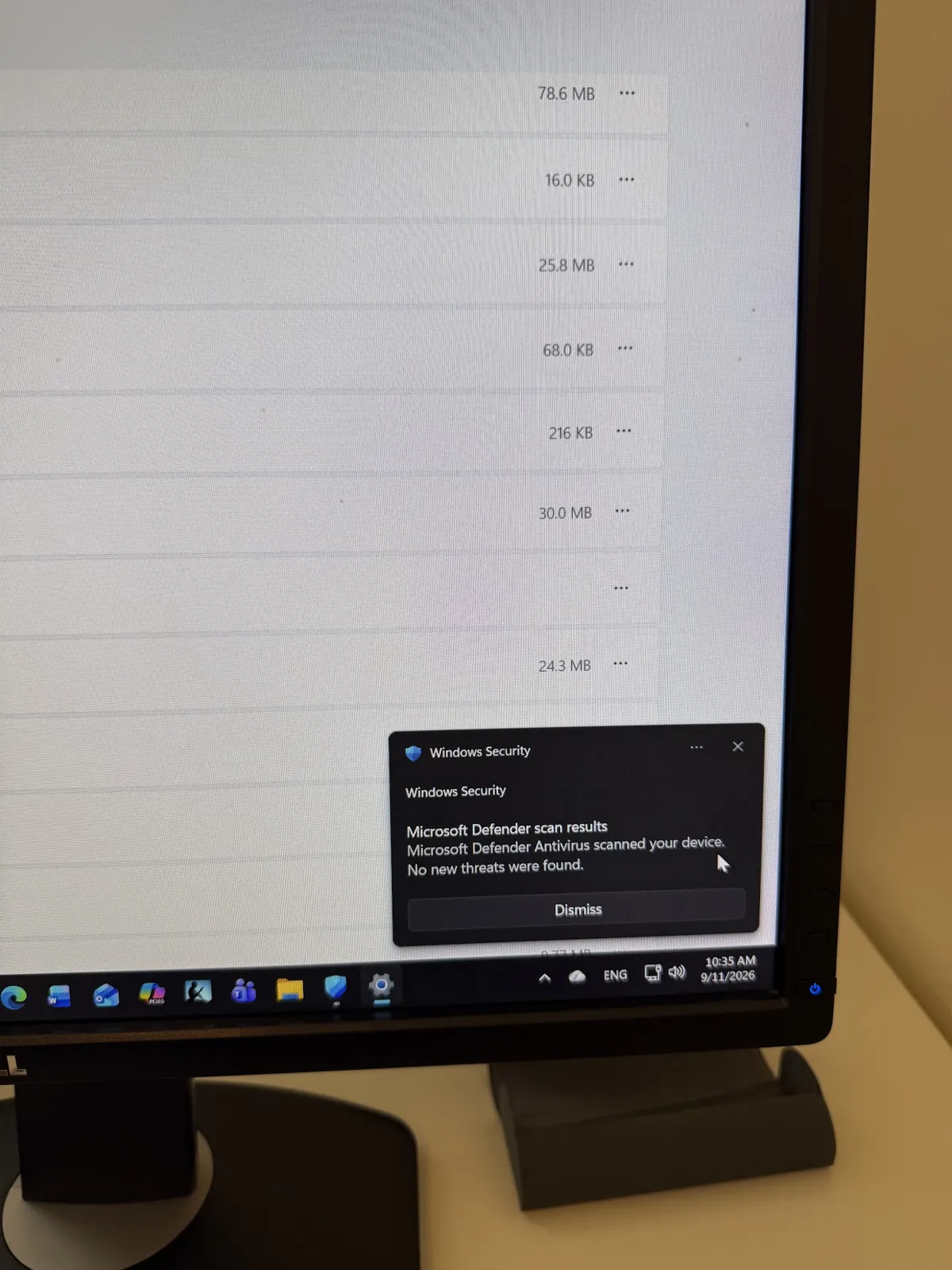
- A risk assessment of identities, devices, servers, cloud services, email and backups.
- Multifactor authentication for every account, with separate administrator accounts.
- Patch management and hardening of Windows, macOS and Linux systems.
- Microsoft Defender and Entra ID security settings, tuned and reviewed with you.
- Email authentication with SPF, DKIM and DMARC.
- Backups with an offline or immutable copy and documented restore tests.
- An incident response plan with contact lists, roles and decision points.
In addition, we train your staff with short, practical sessions on phishing and safe handling of data. As a result, technology and people support each other instead of leaving gaps.
How we structure cybersecurity work
Our work follows the NIST Cybersecurity Framework 2.0, which organizes security into govern, identify, protect, detect, respond and recover. First, we map what you have and what matters most. Then we agree on a prioritized plan, because no organization can fix everything at once. Next, we implement the measures in planned steps, each with a backup and a verification.
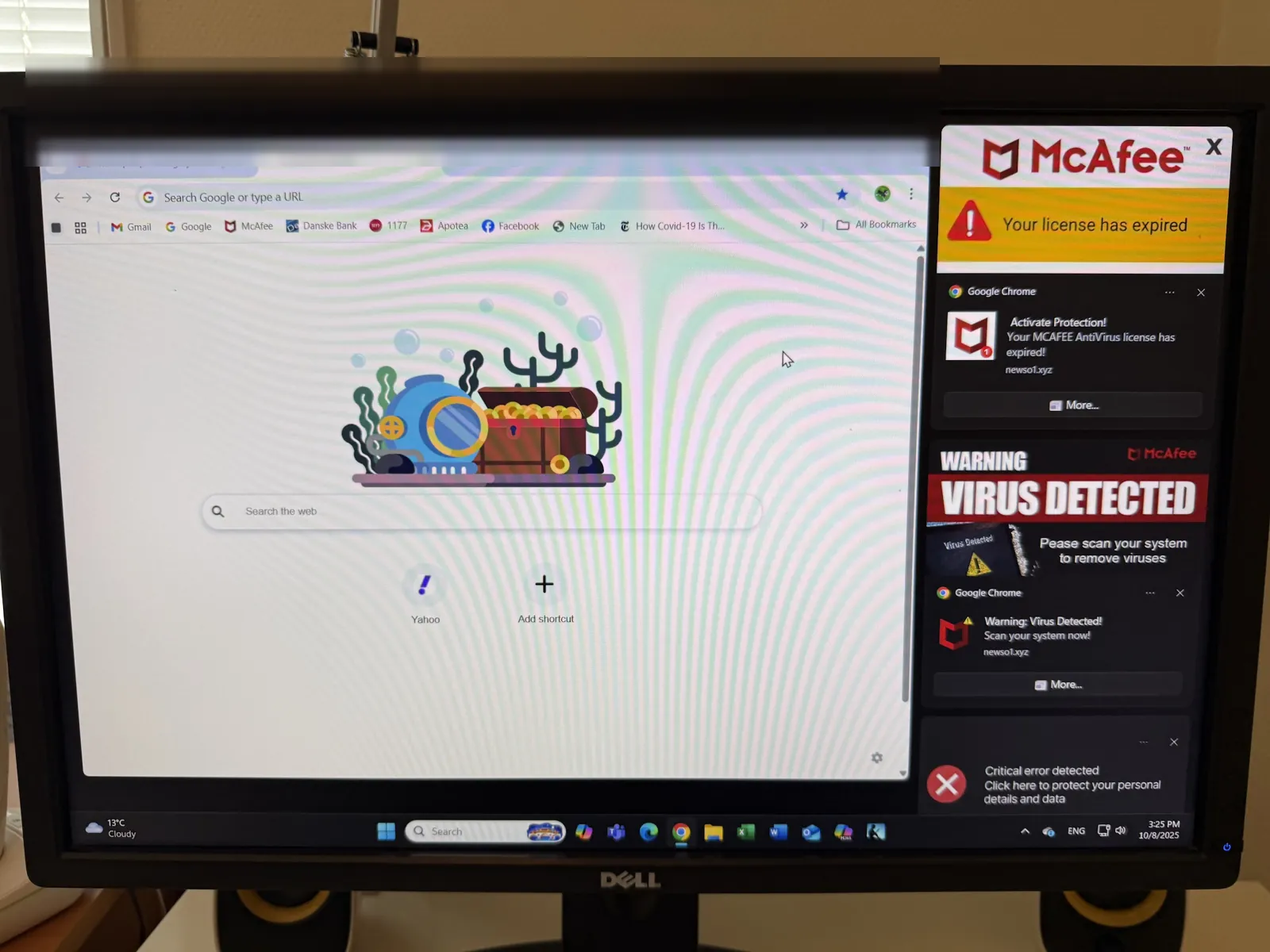
Finally, we monitor and review. Threats change, and so do your systems. Consequently, a quarterly review keeps the protection aligned with reality rather than with last year’s network diagram.
Cybersecurity services for defense contractors and regulated firms
Defense contractors face new contract requirements. The Department of Defense’s CMMC rule took effect on November 10, 2025, and phase 2, which can require third-party Level 2 certification at contract award, began on November 10, 2026. We are not a certified assessment organization. Instead, we help you prepare: we perform gap assessments against NIST SP 800-171, fix technical findings and document the controls an assessor will ask about.
Similarly, financial firms, healthcare providers and law firms carry their own obligations for protecting client data. We read those requirements together with your compliance contact, and we deliver documentation that supports your audits without claiming certifications we do not hold.
Why choose Not Without IT for security
Our engineers have more than 30 years of experience, including work in defense systems and telecom research, where security was a design requirement from the first line. Above all, we explain risks in plain language, so management can make informed decisions.
Not Without IT is a remote-first company with headquarters in North Tustin, Orange County, and we serve organizations across the United States. If the worst has already happened, see our ransomware protection and recovery and incident response services.
Frequently asked questions about cybersecurity services
Cybersecurity services before an attack
What do cybersecurity services include?
They include assessments, hardening, monitoring, staff training and a plan for incidents. Together, these measures reduce both the chance and the cost of an attack.
We are a small company. Are we really a target?
Yes. Automated attacks scan every address on the internet, and small firms often have weaker protection, so attackers find them first.
Where should we start?
Start with multifactor authentication, updates and tested backups. Together, these three measures stop a large share of common attacks.
What is a cybersecurity risk assessment?
It is a structured review of your systems, accounts and processes. Afterward, you receive a list of risks ranked by likelihood and impact.
How long does an assessment take?
For a small or midsize organization, usually one to three weeks, depending on the number of systems and locations.
Do you perform penetration tests?
Yes, as part of a wider security review. However, we agree on scope and rules in writing before any test starts.
Can you train our employees to spot phishing?
Yes. We run short sessions based on real examples. In addition, we can repeat them every quarter.
Do we need antivirus if we use Microsoft Defender?
Microsoft Defender is a capable endpoint protection tool when configured correctly. Therefore, we usually tune it rather than adding another product.
Compliance and regulated sectors
What is CMMC?
CMMC is the Department of Defense’s Cybersecurity Maturity Model Certification. It requires contractors to show that they protect federal contract information and controlled unclassified information.
Can you certify us for CMMC?
No. Only authorized assessment organizations certify. Instead, we prepare you with a gap assessment, technical fixes and documentation.
What is NIST SP 800-171?
In short, it is the set of security requirements for protecting controlled unclassified information, and CMMC Level 2 builds on it.
Do you work with law firms and financial firms?
Yes. For example, we protect client data with access controls, encryption, secure email and documented routines.
Will you help us answer a client’s security questionnaire?
Yes. We help you answer accurately and, where needed, close gaps before you reply.
Can you write our information security policies?
Yes. Moreover, we draft practical policies that match how your organization actually works.
Do you sign confidentiality agreements?
Yes. We sign a nondisclosure agreement before we access any system.
Monitoring and response
Do you monitor our systems around the clock?
We offer monitoring with alerts to engineers. Then we agree on response times and hours in the proposal.
What happens if you detect an attack?
First, we contain it by isolating devices or blocking accounts. Then we investigate, remove the threat and restore normal operations.
Can you help after a breach has already happened?
Yes. Our incident response team isolates systems, preserves evidence and helps you recover.
Should we report a cyberattack to the authorities?
Often, yes. The FBI’s IC3 and CISA accept reports, and some sectors also have mandatory reporting rules.
How do you protect cloud services like Microsoft 365?
We enforce multifactor authentication, Conditional Access, mailbox auditing and alert policies in the tenant.
Do you protect Linux servers as well?
Yes. Similarly, we harden SSH, apply updates, configure firewalls and monitor logs on Linux servers.
How do we know if our passwords have leaked?
First, we check known breach data for your domains. Then we require password changes where needed.
Costs and working with us
How much do cybersecurity services cost?
The cost depends on your size, systems and goals. Therefore, we quote after a short assessment call.
Is cybersecurity part of your managed IT services?
A security baseline is. Deeper work, such as CMMC preparation or incident response, is a separate scope.
Can you work with our existing IT team?
Yes. In fact, many teams use us for security reviews, hardening projects and incident support.
Do you support organizations outside California?
Yes. We support organizations throughout the United States, mostly remotely.
Can you visit our office for a security review?
In Orange County and Irvine, yes. Elsewhere, we travel when the project requires it.
Why choose Not Without IT for cybersecurity?
You get senior engineers with more than 30 years of experience who document every step and speak plainly about risk.
Do you help after a phishing email was clicked?
Yes. First, we reset the affected account and revoke sessions. Then we check mailbox rules and sign-ins for misuse.
How do we start?
Call (949) 355-1694 or send the form below. After a short call, we propose an assessment.