
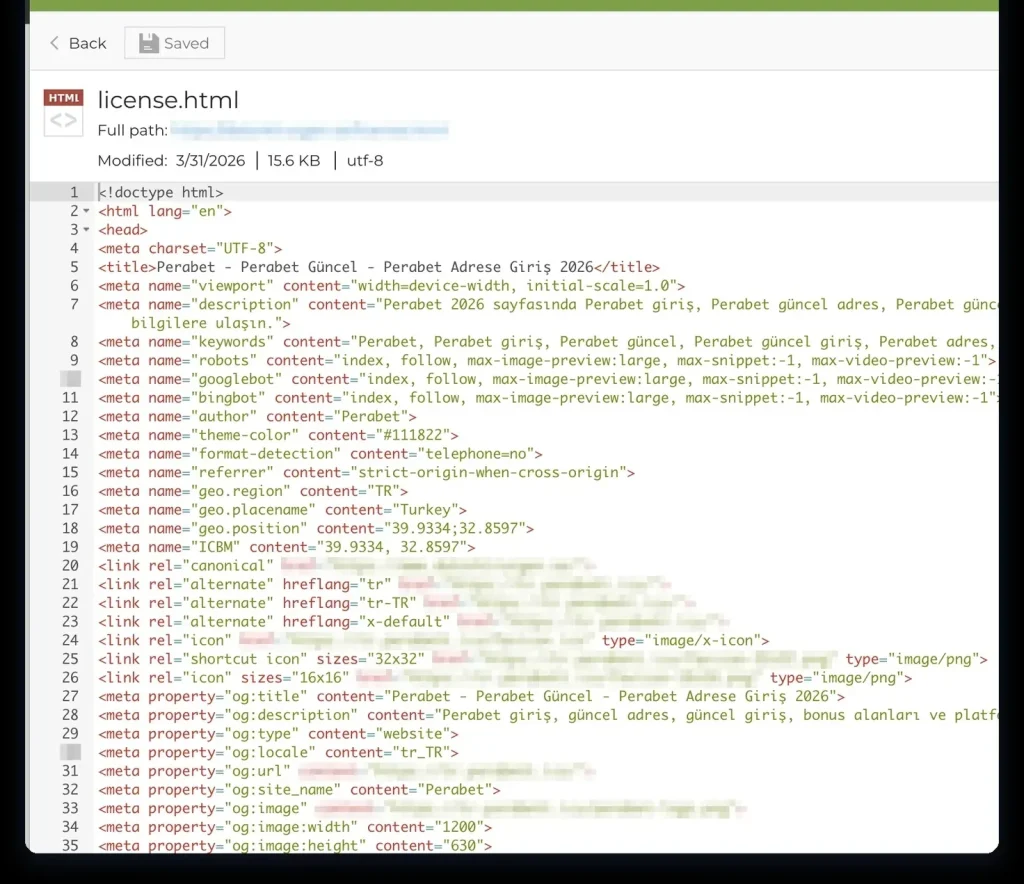
WordPress malware removal from Not Without IT cleans hacked websites thoroughly: we remove malicious code, hidden spam pages, rogue administrator accounts and backdoors, and then we harden the site and the server so the attacker cannot return. Afterward, we help you restore your search rankings and your visitors’ trust.
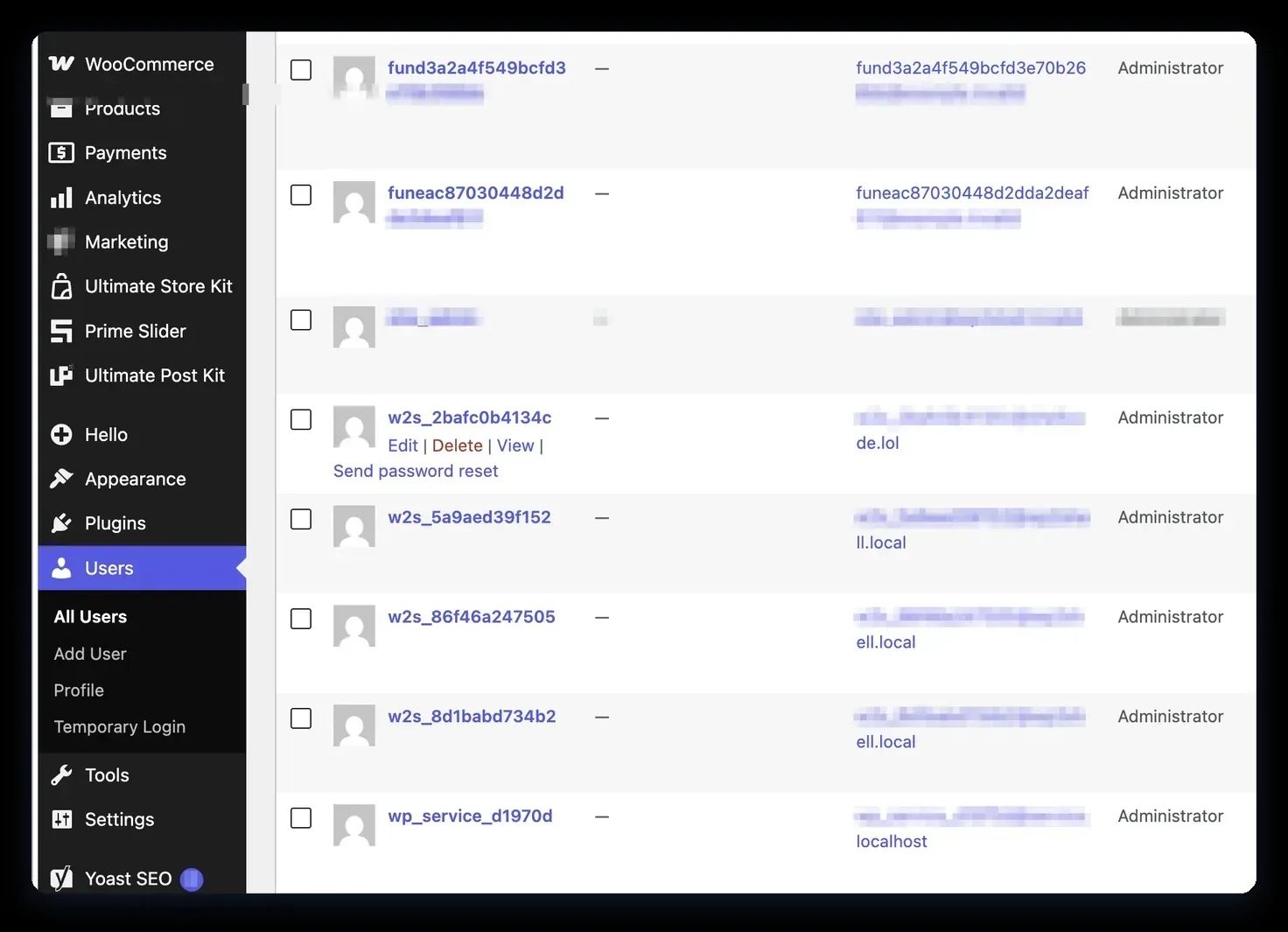
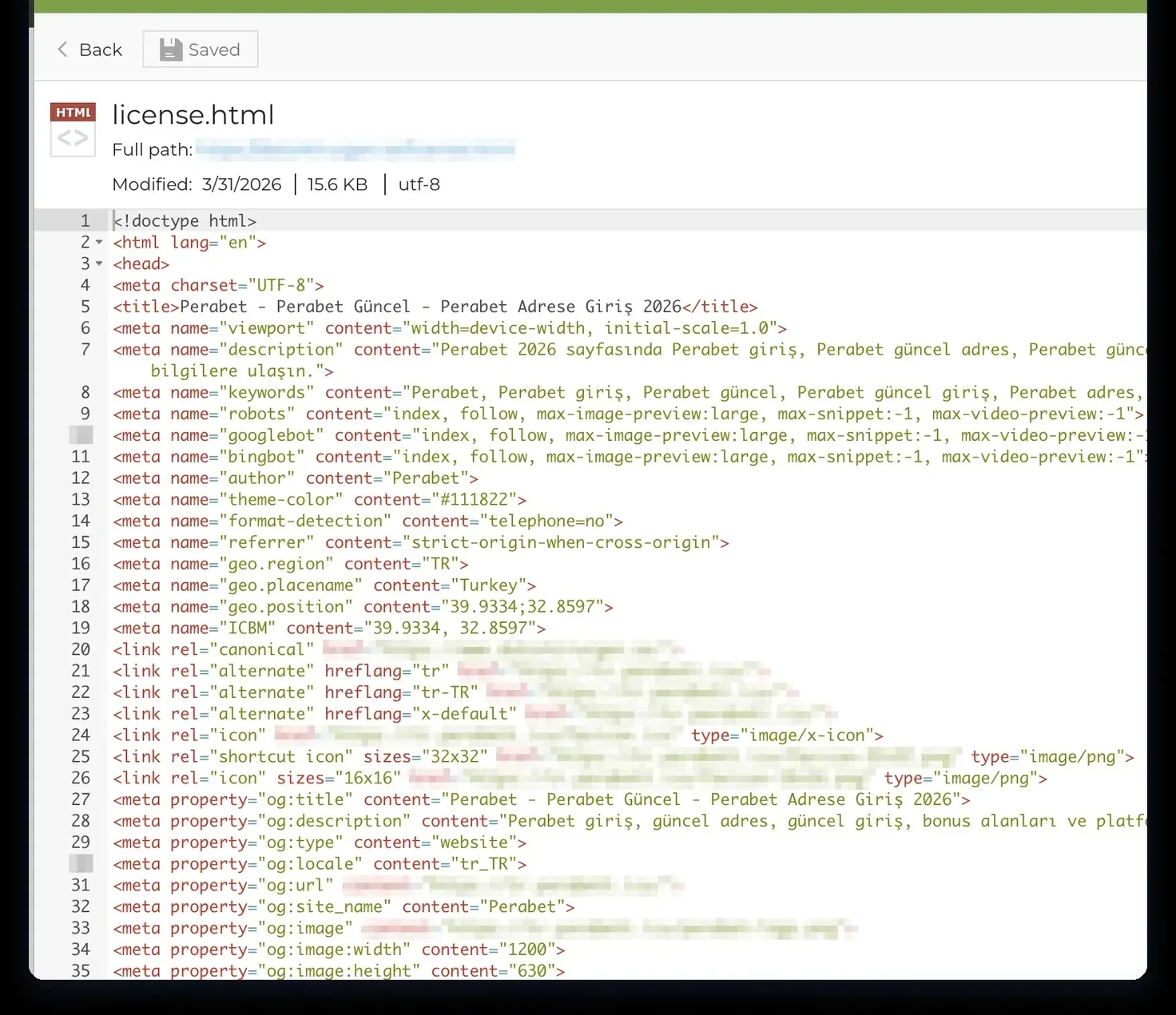
A hacked WordPress site rarely announces itself. Instead, Google starts showing strange pages in Japanese or pharmaceutical spam under your domain, visitors on phones get redirected to scam sites, or your host suspends the account. Meanwhile, the attacker keeps a backdoor, so a quick cleanup often fails within days. Our approach removes the infection and the way in.
What our WordPress malware removal covers
We handle hacked sites on shared hosting, VPS and cloud servers in AWS and Azure. A typical cleanup includes:
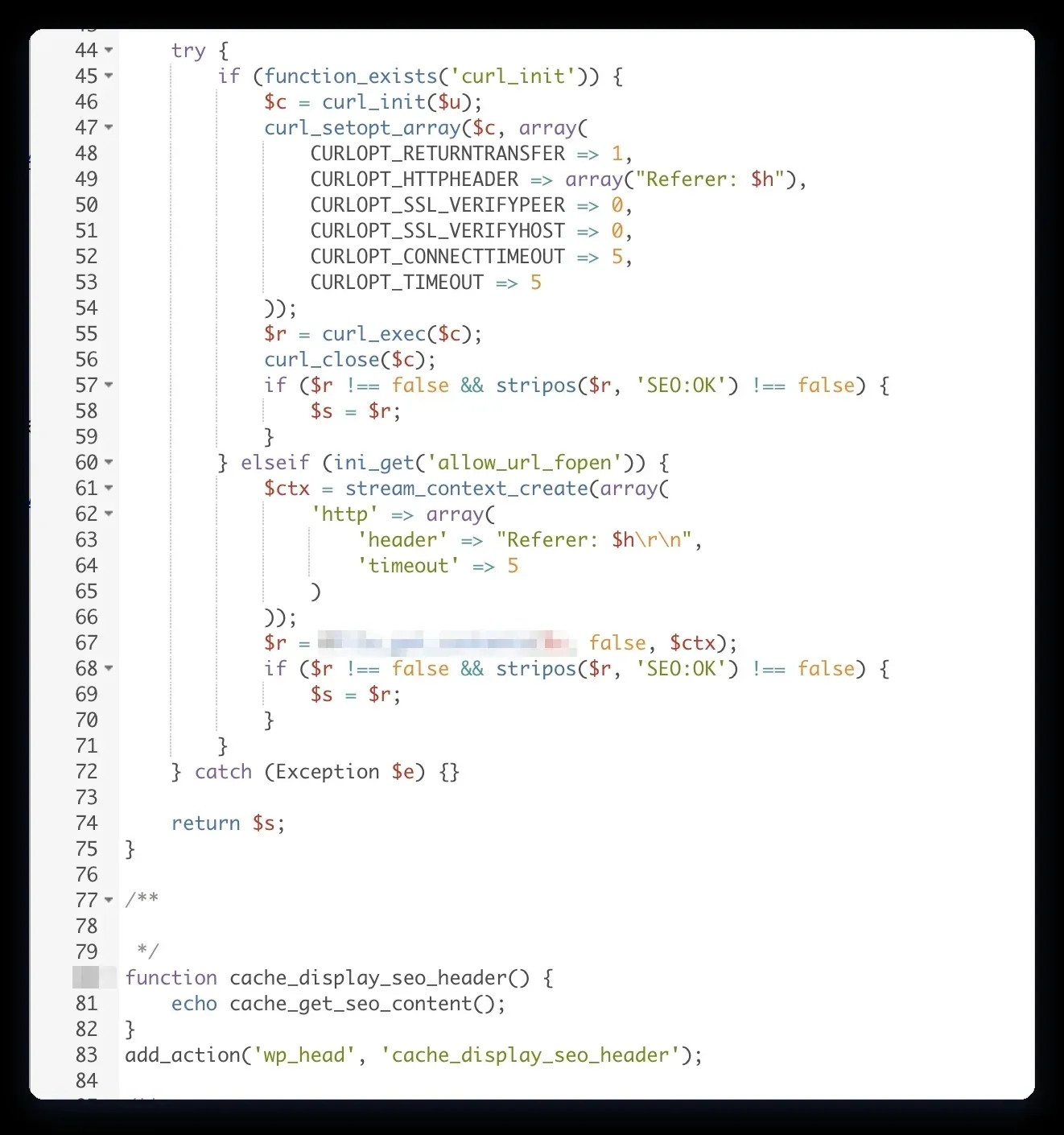
- Scanning of all files for injected code, web shells and modified core files.
- Database cleanup of injected scripts, spam posts and hidden redirects.
- Removal of unknown administrator accounts and reset of all passwords and keys.
- Replacement of WordPress core, themes and plugins with clean, current versions.
- Review of the server: cron jobs, uploads folders, PHP settings and file permissions.
- Search Console review, removal requests for spam URLs and a reconsideration request where needed.
In addition, we document what we found, so you understand how the attack happened.
How we clean a hacked WordPress site
First, we take a complete backup of the infected site, because it holds evidence. Then we compare every file with the official versions and identify everything that does not belong. Next, we clean the database and remove spam content and rogue users. After that, we update the software, rotate every password and secret key, and harden the configuration. Finally, we monitor the site for new changes.
WordPress itself releases security fixes regularly, and the current major version, 7.1, came out in August 2026. Outdated plugins and themes, however, remain the most common way in. Consequently, we remove abandoned plugins and keep the rest updated.
WordPress malware removal and your search rankings
Spam pages under your domain damage your reputation in search results. Google may also show a warning to visitors. After the cleanup, we check Google Search Console for security issues and manual actions, remove spam URLs from the index and submit a review request when needed. Similarly, we check your sitemaps, so only real pages remain.
Prevention: hardening WordPress and the server
Cleaning is only half the job. Therefore, we harden the site: two-factor authentication for administrators, limited login attempts, disabled file editing in the dashboard, strict file permissions and a web application firewall where it fits. On the server side, we update PHP, block execution of scripts in upload folders and protect configuration files.
We also build WordPress sites without page builders, using lean custom themes. Fewer plugins mean fewer vulnerabilities and faster pages.
Why choose Not Without IT
Our engineers have cleaned hacked sites and hardened Linux web servers for many years, building on more than 30 years of IT experience. Above all, we find the backdoor, not just the visible symptoms. Not Without IT is remote first, with headquarters in North Tustin, Orange County, and we clean WordPress sites for organizations across the United States. If the attack reached other systems, see our incident response services.
Frequently asked questions about WordPress malware removal
Signs of a hacked WordPress site
How do I know if my WordPress site is hacked?
Common signs are spam pages in Google results, redirects on mobile, unknown admin users and warnings from your host or browser.
Why does Google show Japanese or pharmacy pages under my domain?
Attackers injected spam pages into your site. As a result, Google indexes them under your domain name.
My site redirects visitors to scam sites. What happened?
Most likely, malicious code was injected into files or the database. It often targets only mobile visitors.
I found an administrator account I did not create. What now?
Do not just delete it. Instead, change all passwords and call us, because the account often points to a backdoor.
My host suspended my site for malware. What should I do?
Contact us. We clean the site, and then you can ask the host to restore it.
Can a hacked site infect my visitors?
Yes. Injected scripts can redirect visitors to scams or serve harmful downloads.
Why did the hack return after a cleanup?
Usually, the backdoor or the vulnerable plugin remained. Therefore, a complete cleanup includes finding the entry point.
WordPress malware removal process
How long does WordPress malware removal take?
Most cleanups take one to two days. Large sites or reinfections can take longer.
Will my site be offline during the cleanup?
Usually not for long. In serious cases, we show a maintenance page while we clean.
Do you keep my content and design?
Yes. We clean the site and, at the same time, keep your posts, pages and design intact.
Do you remove spam pages from Google?
Yes. To do so, we request removal of spam URLs in Search Console and submit a review request when needed.
Do you clean the database as well as the files?
Yes. Injected scripts and spam content often hide in the database, so we clean both.
Can you find out how the attacker got in?
Often, yes. Server logs, file dates and plugin versions usually reveal the entry point.
Do you replace infected plugins?
Yes. Instead, we install clean copies from official sources, and we remove abandoned plugins.
Prevention and hardening
How do I protect WordPress from being hacked?
Keep core, themes and plugins updated, use two-factor authentication and remove unused plugins. In addition, harden the server.
Do security plugins prevent hacks?
They help, but they cannot fix outdated software or a weak server. Therefore, updates and hardening come first.
Are page builders a security risk?
They add large amounts of code and extra plugins, which increases the attack surface. As a result, a lean custom theme is safer.
Should I use two-factor authentication for WordPress?
Yes. Two-factor authentication stops most attacks that rely on stolen or guessed passwords.
Do you harden the web server too?
Yes. For example, we block script execution in uploads, protect configuration files and update PHP.
Can you monitor my site for new malware?
Yes. For that purpose, we offer monitoring and update services as part of a monthly plan.
Do you offer backups for WordPress?
Yes. First, we set up automatic off-site backups, and then we test the restore.
Costs and working with us
How much does WordPress malware removal cost?
The price depends on the size of the site and the infection. Therefore, we confirm it after a first review.
Can a hacked site hurt my email delivery?
Yes. If attackers send spam from your server, mail providers may block your domain, so we check that too.
Do you work with sites on any host?
Yes. In fact, we clean sites on shared hosting, VPS, AWS, Azure and other platforms.
Can you move my site to a safer host?
Yes. Often, we migrate sites to a hardened server on AWS or another cloud.
Can you rebuild my site without a page builder?
Yes. We build lean custom themes that are faster and easier to secure.
Do you work with law firms and businesses?
Yes. We clean and protect sites for businesses, law firms and organizations across the U.S.
Where are you located?
Our headquarters are in North Tustin, Orange County, and we work remotely across the U.S.
How do I get help with a hacked site now?
Call (949) 355-1694 or send the form below. We start with a first review as soon as possible.
Why choose Not Without IT for WordPress malware removal?
We find and close the way in, harden the server and document everything we do.